How We Teach
Heart
|
We believe that education should include character building, and that character starts in the heart. We operate under the core values of: His presence is our priority, love always, excellence, honor, and unity.
|
Character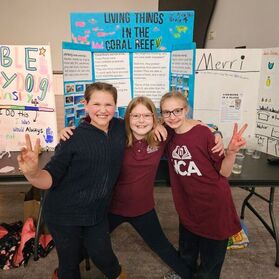
|
At Hope Academy aim to aid parents in fulfilling Proverbs 22:6
We want to see children come to know Jesus Christ as their personal Lord and Savior. By providing opportunities for students to experience God, we aim to create an excitement and purpose in serving God. We provide a framework of Biblical principles for our students to live by, and encourage this during daily chapel and worship time. Our students learn how to pray, develop Bible reading habits, and memorize scripture in a way that is relevant to them. We teach forgiveness and acceptance of others, and to have a heart for what God cares about. Our students know that work is good and God given, and that all work should be done unto Him. We teach our students to respect authority, and practice leading and submitting to others in our classrooms. As teachers, we love developing the fruits of the Spirit, and view each and every student according to how God sees them. Children are a gift from God to parents who bear the responsibility before God for their upbringing. We understand that Hope Christian Academy operates as the third line of authority to students, under God and their parents. |
Academics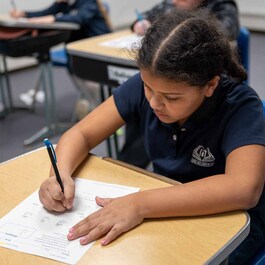
|
In class at Hope Academy, we are dedicated to maintaining a level of excellence in our academics. From providing small class sizes to diverse instructional strategies, we aim to help students find their God-given talents and giftings in order to use them for God’s purposes in their lives. Our curriculum is designed to build foundational understandings in reading, writing, and mathematics in order to elevate students into honors classes in high school and prepare them for success in higher education. We create an exciting and challenging learning environment, centered around promoting critical thinking/problem solving skills in math, and the sciences.
|